Riddle School
Riddle School was built by a Newgrounds user going by JonBro, who was eleven years old and, by most accounts of the game's own history, using it to test what he could do in Act
6 / 10
Games that play in your browser — phone or desktop.
The Leetdom reading room
Idle RPGs, MMOs, browser games and mobile RPGs, taken apart properly. Every review carries a score out of 10, what the game does well, what it does badly, and the kind of player it is actually for.
Riddle School was built by a Newgrounds user going by JonBro, who was eleven years old and, by most accounts of the game's own history, using it to test what he could do in Act
6 / 10
A solo animator's one-month Flash project turned "Always" by Erasure and a rainbow-maned unicorn into one of 2010's most-replayed portal games — a beautifully timed one-button dash with almost nothing underneath it once the song ends.
6.5 / 10
The Canadian studio Pyrozen's March 2010 relaunch of its long-running assassin saga drops three playable bounty hunters into a Chicago-to-Palermo mob war with almost no recap for anyone who hasn't already played five previous games — a point-and-click shooting gallery bolted onto a gun-shop economy that the series had already run once before.
6 / 10
A solo developer's turn-based zombie RPG landed on Armor Games in December 2007 and quietly built one of the highest-rated pages on the whole portal — a tight, Focus-managing combat system wrapped around only three story zones and one shared ability tree, both of which its own sequel would fix a year later.
7 / 10
A one-on-one, big-head soccer duel from the last great year of portal-syndicated Flash, still praised as "addictive" in Kongregate comments a decade after release — and still carrying a match-timer bug those same comments flagged back in 2016 and nobody ever fixed.
6.5 / 10
A university student's Flash side project from January 2003 turned a stick figure and a blank city block into an entire genre of browser life-sims — an open loop of jobs, crime, gambling and elections that is still more honest about being a grind than most of what it inspired.
6.5 / 10
The third entry in one developer's own stick-figure siege series adds a 40-day campaign, hireable gunmen and a James Bond-themed cheat menu on top of the click-and-shoot base defense of Storm the House 2 — a competent, sometimes buggy refinement of a formula that never really changes shape, and one with no save button for a three-hour run.
6.5 / 10
A two-person studio's Call of Duty-meets-Team Fortress 2 pitch for a browser shooter — four classes, killstreaks and a fully voiced campaign, undercut by a slot-machine unlock system that retrospective coverage still calls out as the weak link.
7 / 10
A fan-made Super Smash Bros. clone that McLeodGaming has kept in open "beta" for nineteen years and counting, building one of the largest crossover rosters any fan fighting game has ever assembled while never once shipping a numbered 1.0 — and never once being shut down by Nintendo either.
7 / 10
A Danish bedroom-coded maze tank duel from December 2007 that became one of the most mirrored games of the Flash era not because critics noticed it, but because it was free, three-player, and ran on whatever locked-down browser a school computer lab had.
6.5 / 10
Edmund McMillen and Florian Himsl's 2011 Flash roguelike sold itself for $4.99 on Steam rather than living free on a portal, and turned a three-month game jam project into the game most credited with dragging the roguelike out of niche obscurity — years before Flash's own limitations forced McMillen to rebuild it from scratch as Rebirth.
8 / 10
A free 2009 Newgrounds puzzle platformer where you solve rooms by recording and replaying your own past movements, wrapped around a hermit's confession that turns the clone mechanic into the point of the story rather than a gimmick bolted onto it.
7.5 / 10
A three-level, stick-figure platformer that Brad Borne built alone in Flash and put up on Newgrounds on 14 March 2006 — and the one Flash game whose momentum-and-wall-jump movement was good enough to get itself remade twice, once by EA on consoles and once by its own creator on Steam, nearly two decades later.
7.5 / 10
A 2007 Newgrounds upload built by a first-time Flash coder as a learning exercise, The Last Stand turned a $16,000 Armor Games contest win into a five-game franchise and a 2021 paid Steam remaster — while the original 20-day siege underneath it stays a stiff, repetitive resource-allocation puzzle that mostly matters for what it started.
6.5 / 10
A February 2006 spinoff Diseased Productions built to fix a survival mode it thought Thing-Thing 2 got wrong — a wave-based, ragdoll-gore arena shooter with per-mode online high scores, never intended to be the series' next real chapter and honest about saying so.
6.5 / 10
John Cooney's 2009 one-room platformer spends thirty stages breaking its own single layout — reversing the controls, killing the lights, handing movement to the mouse — and it is still turning up on "best Flash games" lists in 2026 for exactly that trick, even though the trick itself only works once.
7.5 / 10
A cannon-launch upgrade toy from Newgrounds in 2009 that turned "how far can this turtle fly" into an escalating arsenal of guns, jetpacks and nukes — and got there almost entirely on the strength of a turtle that visibly, audibly hates every second of it.
7 / 10
A three-week Flash prototype about mice, cheese and a randomly chosen "shaman" who builds the level around them went viral through 4chan and SomethingAwful in 2010 and never actually died — Atelier 801 kept it alive as its own live service for sixteen years while almost everything else in this archive stopped running.
7.5 / 10
A 2008 Armor Games release that took the lane-battler shape Age of War had just popularized and rebuilt it around actual WWI escalation — riflemen give way to gas, then tanks, on a schedule that mirrors the real war — while a patched-out tank exploit and a campaign with no branching keep it a well-drilled genre entry rather than a genre-definer.
7 / 10
A 2011 Armor Games physics platformer that blends destructible-environment puzzling with a zombie shooter — praised on release for its atmosphere and inventive kills, marked down even then for controls contemporary reviewers described as sluggish and floaty.
7 / 10
A Chinese-developed xianxia tactics RPG with a genuinely good grid on it, sold at a fair price with 19 chapters already in the box — and a cultivation ladder that turns out to be the thinnest system in the game.
6.5 / 10
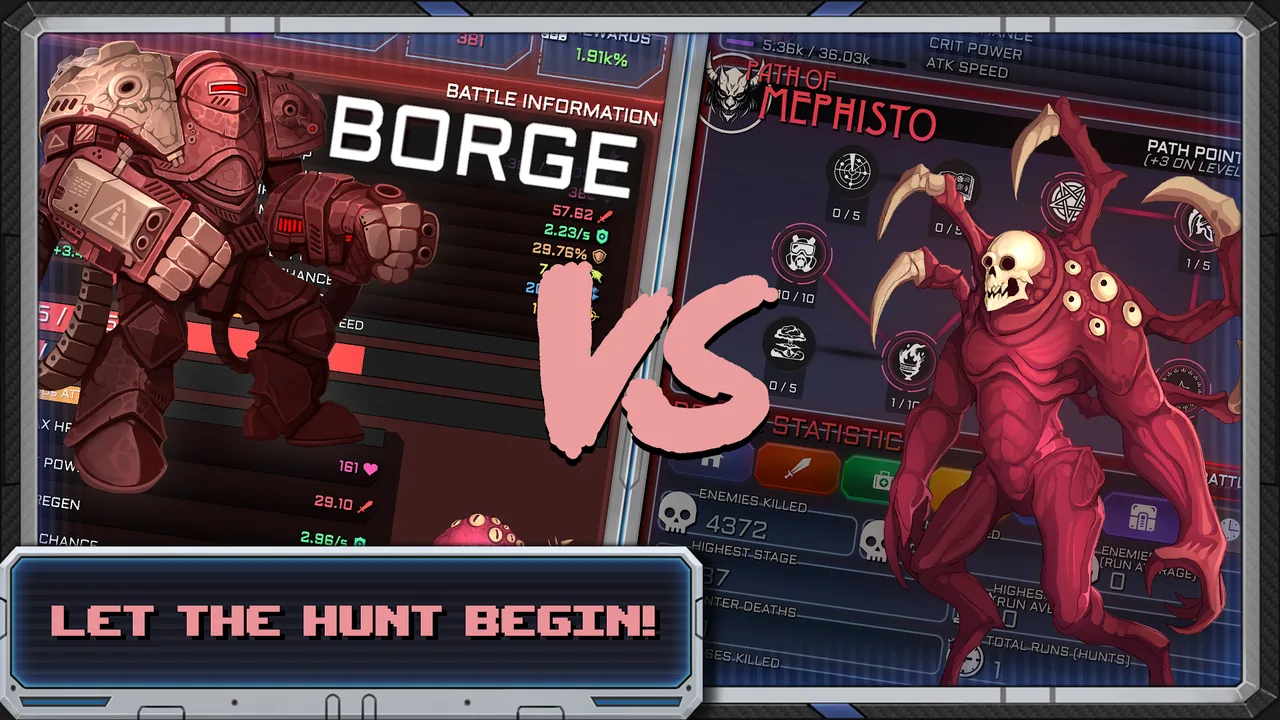
A free Android incremental with more content than most paid ones, wrapped in a chest-and-rewarded-video economy that sells you relief from its own busywork. The genre's most argued-about game, and both sides have a point.
7 / 10
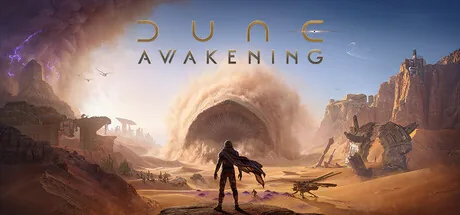
A survival MMO that actually earns its licence — stillsuits, spice addiction and sandworms all function as real systems — held back by an endgame that still leans too hard on forced PvP for players who came for the desert, not the fight.
7.5 / 10
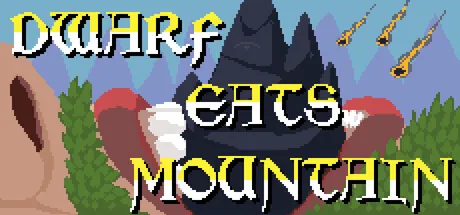
A dwarven mining incremental that turns every run into a demolition problem — hire dwarves, point war machines at a mountain, and work out how to get the gold home before the mountain takes it back.
8.5 / 10