Hollow Knight: Silksong
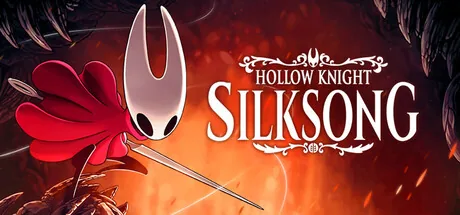
Seven years after it was announced, Team Cherry's sequel arrives faster, meaner and bigger than the original, and mostly earns every one of those seven years.
9 / 10
Games that play in your browser — phone or desktop.
Browse by platform
33 games we have reviewed that run on Windows PC, best first.
33 reviews
Seven years after it was announced, Team Cherry's sequel arrives faster, meaner and bigger than the original, and mostly earns every one of those seven years.
9 / 10
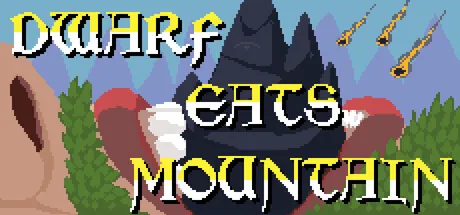
A dwarven mining incremental that turns every run into a demolition problem — hire dwarves, point war machines at a mountain, and work out how to get the gold home before the mountain takes it back.
8.5 / 10
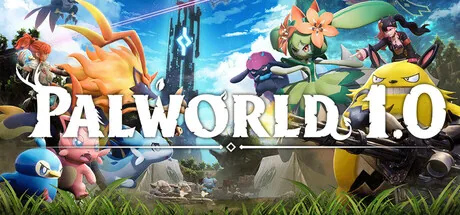
Two and a half years after the meme that ate January 2024, Palworld's 1.0 finishes the job — a survival sandbox whose real subject is labour, with 72 more Pals, a level-80 ceiling and two new regions bolted onto the top of it.
8.5 / 10
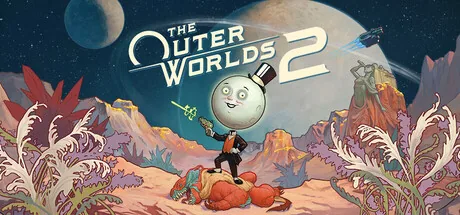
Obsidian's satirical space RPG grows a genuinely excellent build system and a slow-motion gunfight worth building around, then hands the writing and the companions less attention than either deserved.
8.5 / 10
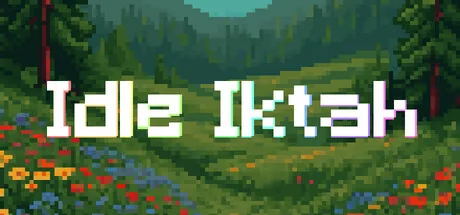
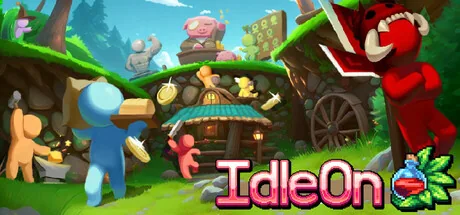
A free incremental RPG that hides a genuinely deep skill web behind a calm Pacific Northwest setting — and then puts a price on the one resource an idle game trades in, time away.
8 / 10
A Uruguayan studio's first major project turned a portal sponsorship deal into the Flash browser era's most influential tower defense game — one that outlived the plugin it was built in by porting itself, tower by tower, onto seven other platforms while the original still runs today under emulation.
8 / 10
A ninja falls, slides and wall-jumps through a wireframe apartment building full of homicidal robots, in the 2004 freeware download that taught a generation of Flash developers what momentum-based platforming could feel like — years before N+ or N++ existed.
8 / 10
A mobile gacha game with the gacha surgically removed, rebuilt around a custom protagonist, a town you raise from ash, and a battle system that still rewards knowing exactly when to break something.
8 / 10
Edmund McMillen and Florian Himsl's 2011 Flash roguelike sold itself for $4.99 on Steam rather than living free on a portal, and turned a three-month game jam project into the game most credited with dragging the roguelike out of niche obscurity — years before Flash's own limitations forced McMillen to rebuild it from scratch as Rebirth.
8 / 10
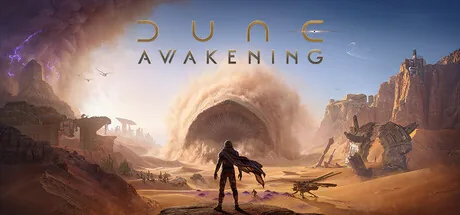
A survival MMO that actually earns its licence — stillsuits, spice addiction and sandworms all function as real systems — held back by an endgame that still leans too hard on forced PvP for players who came for the desert, not the fight.
7.5 / 10
A free 2010 turn-based JRPG parody that gave its three-hero cast a walkable overworld for the first time in the series, wrapped a genuinely deep elemental-combat system in deliberately juvenile humour, and is still free to play today on Steam and itch.io.
7.5 / 10
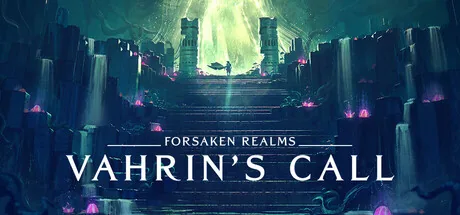
Seven people spent twelve years building a handcrafted fantasy RPG where you are nobody special, and it shows in the best and worst ways — superb exploration and a classless build system, wrapped in a technical layer that isn't finished.
7.5 / 10
A nine-person Shanghai debut builds a hand-drawn action RPG around a parry that can't be spammed, and mostly wins the argument — undone by a text layer that clearly needed another month.
7.5 / 10
A solo developer's take on RuneScape-style skilling, rebuilt as a multiplayer idle game with a real player-driven economy — and a cow theme it commits to with a straight face.
7.5 / 10
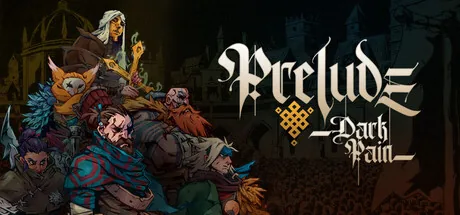
A Seville studio's debut tactical RPG that looks like Darkest Dungeon and plays like Final Fantasy Tactics — two battle points a turn, a board that fights back, and one act of a campaign that has another year of building to do.
7.5 / 10
A two-person game-jam prototype turned into the browser's most influential permadeath MMO — a bullet-hell shooter where death erases your character entirely, funded on cosmetics alone at launch, and still running fifteen years later as a live game that quietly isn't a Flash game anymore.
7.5 / 10
A three-level, stick-figure platformer that Brad Borne built alone in Flash and put up on Newgrounds on 14 March 2006 — and the one Flash game whose momentum-and-wall-jump movement was good enough to get itself remade twice, once by EA on consoles and once by its own creator on Steam, nearly two decades later.
7.5 / 10
John Cooney's 2009 one-room platformer spends thirty stages breaking its own single layout — reversing the controls, killing the lights, handing movement to the mouse — and it is still turning up on "best Flash games" lists in 2026 for exactly that trick, even though the trick itself only works once.
7.5 / 10
A three-week Flash prototype about mice, cheese and a randomly chosen "shaman" who builds the level around them went viral through 4chan and SomethingAwful in 2010 and never actually died — Atelier 801 kept it alive as its own live service for sixteen years while almost everything else in this archive stopped running.
7.5 / 10
A four-day joke about achievement bloat, built by Armor Games' first employee, that turned "do 100 arbitrary things to a blue elephant in one room" into a bigger hit than anything with actual level design that Armor Games shipped that month — and that got a real Steam re-release with real achievements fifteen years later, which is funnier than anything in the original script.
7 / 10
A free Android incremental with more content than most paid ones, wrapped in a chest-and-rewarded-video economy that sells you relief from its own busywork. The genre's most argued-about game, and both sides have a point.
7 / 10
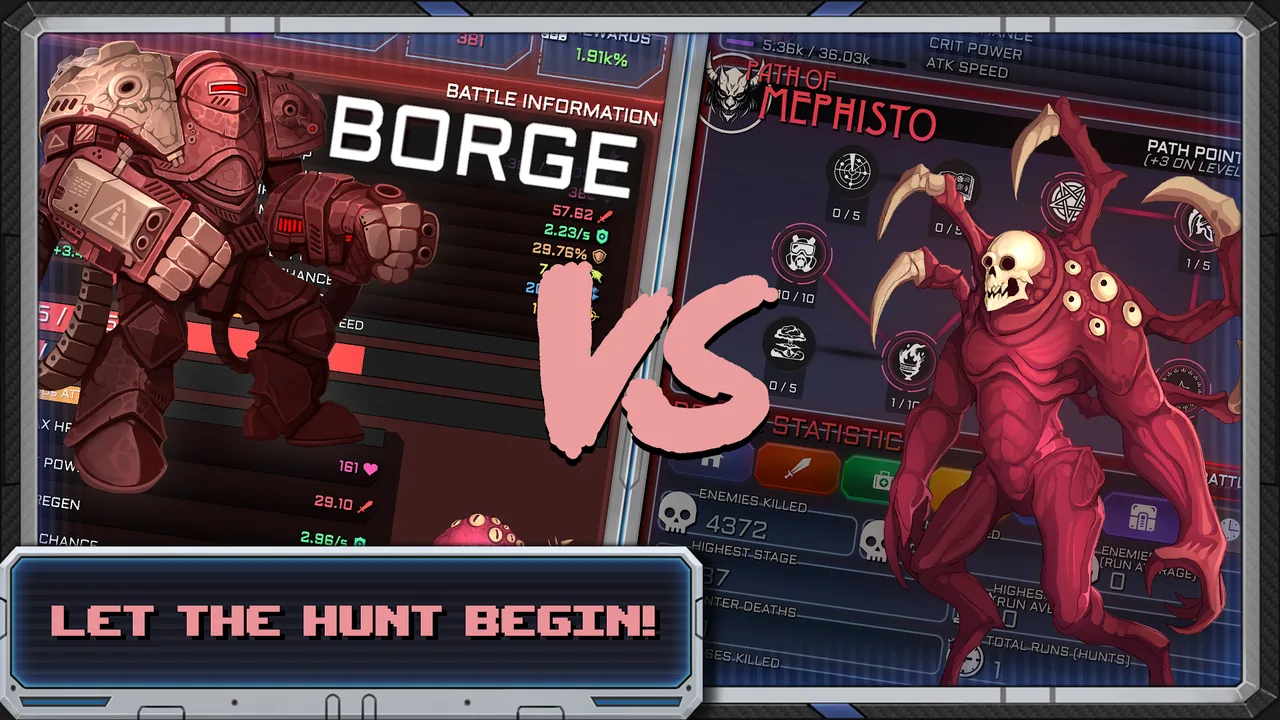
A solo developer's four-and-a-half-year Early Access project about running up to eleven characters at once — genuinely one of the deepest class-and-skill webs in the idle genre, sitting behind a shop that has gotten harder to ignore.
7 / 10
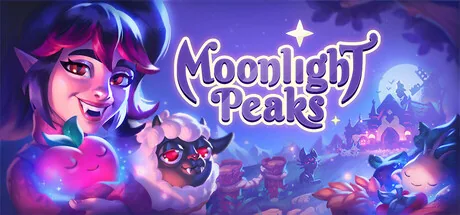
A vampire farming sim with the best time-pressure idea the cosy genre has had in years, and almost no progression ladder to spend that pressure on.
7 / 10
A solo developer's turn-based zombie RPG landed on Armor Games in December 2007 and quietly built one of the highest-rated pages on the whole portal — a tight, Focus-managing combat system wrapped around only three story zones and one shared ability tree, both of which its own sequel would fix a year later.
7 / 10